
Love Is Blind… But Society Sure Isn’t: What the “Pilates Breakup” Reveals About Body Image and Modern Attraction
When a breakup scene on reality television sparks widespread discomfort, debate, and deeply emotional reactions, it’s rarely just about the couple involved.
It’s about what the moment reflects back at us.
Recently, viewers of Love Is Blind watched a particularly jarring exchange unfold: a high-achieving, deeply accomplished woman — an infectious disease physician with demanding, life-saving responsibilities — being told, directly or indirectly, that physical attraction had faded.
Not because of conflict.
Not because of betrayal.
Not because of incompatibility.
But because she didn’t quite align with a preferred fitness lifestyle. More specifically because "she didn’t do Pilates enough."
And suddenly, a reality TV storyline became something far more familiar — and far more psychologically loaded.
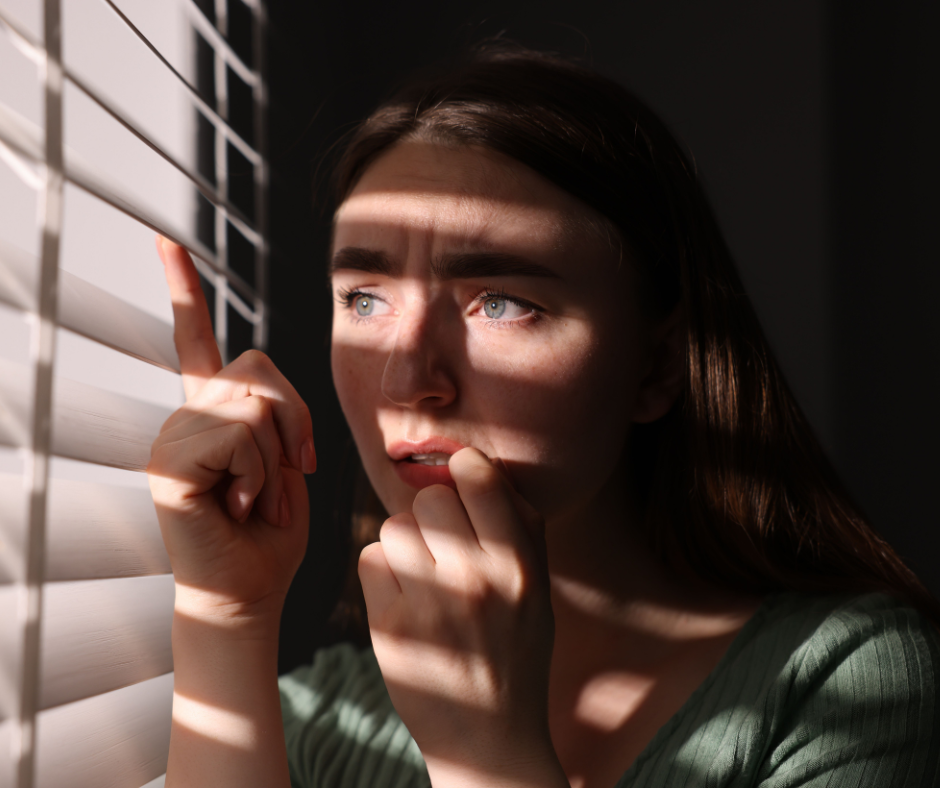
Why This Scene Landed So Hard
Let’s acknowledge something honestly.
Attraction matters.
Chemistry matters.
Physical preference is human.
Yet this particular moment triggered an outsized reaction from viewers because it carried a message many people recognize at a deeply personal level:
“Even being extraordinary may not be enough.”
Not enough to offset aesthetic expectations.
Not enough to buffer against appearance-based evaluation.
Not enough to shield someone from feeling measured.
Modern Dating’s Unspoken Hierarchy
Dating has always involved preference. But modern dating increasingly feels like it operates within an invisible hierarchy of traits:
• Emotional intelligence
• Career success
• Social status
• Lifestyle compatibility
• Fitness
• Appearance
• Wellness performance
Compatibility is no longer simply about connection.
It’s about meeting a layered set of criteria — many of which are aesthetic.
.png)
When Fitness Quietly Becomes a Value Marker
Wellness culture has experienced a remarkable cultural ascent.
Pilates.
Clean eating.
Morning routines.
Gym discipline.
Optimization rituals.
Framed as health.
But frequently functioning as:
Desirability signalling.
Fitness is no longer just behaviour. It’s identity. And increasingly, it’s treated as a proxy for:
• Discipline
• Self-control
• Attractiveness
• Lifestyle alignment
• Even perceived worth
.png)
The Impossible Double Bind for High-Achieving Women
What made this Love Is Blind moment resonate so sharply is the collision of two modern pressures:
Be exceptional.
Be successful.
Be accomplished.
Be driven.
But also:
Be effortlessly fit.
Be aesthetically aligned.
Be visibly “wellness-oriented.”
Be physically optimized.
Excel professionally and aesthetically.
Without visible strain.
Without fatigue.
Without human limitation.
Success No Longer Offsets Appearance Pressure
Historically, cultural narratives implied achievement could compensate for appearance expectations.
Now?
Achievement is simply added to the list. You must be:
• Successful and attractive
• Exhausted but glowing
• High-performing but toned
• Busy but aesthetically effortless
There is no trade-off clause.
Why Appearance-Based Rejection Feels So Devastating
What makes moments like this emotionally charged isn’t vanity.
It’s psychology.
Because body image is deeply entangled with:
• Self-worth
• Lovability
• Desirability
• Belonging
• Social safety
“I’m not attracted to you” rarely lands as neutral feedback.
It often lands as:
“Something about me is fundamentally insufficient.”
.png)
The Wellness Industry’s Subtle Psychological Influence
Modern wellness culture sells empowerment. But also reinforces a persistent undercurrent:
Perpetual inadequacy.
There is always:
• A better routine
• A better body
• A better discipline level
• A better optimization strategy
Rest becomes suspicious.
Normalcy becomes negotiable.
Human limitation becomes self-improvement failure.
Attraction vs Conditioning: A Nuanced Reality
Here’s where the conversation becomes psychologically interesting — and slightly uncomfortable. Attraction is real. But attraction is also shaped by cultural conditioning. Meaning:
Preferences do not emerge in a vacuum.
They are influenced by:
• Media exposure
• Social norms
• Beauty standards
• Fitness culture
• Algorithmic reinforcement
“I’m not attracted to this body/lifestyle”
May sometimes reflect chemistry.
And sometimes reflect internalized aesthetic scripts.
The Gendered Weight of Body Image Pressure
While appearance pressure affects everyone…
It does not affect everyone equally.
Women disproportionately absorb:
• Youth pressure
• Thinness pressure
• Fitness pressure
• Maintenance pressure
• Effortless beauty expectations
All while navigating expanding professional, emotional, and cognitive labour demands.
The Exhaustion Beneath the Outrage
Beyond debate, beyond criticism, beyond internet discourse - moments like this activate something quieter:
Fatigue.
The fatigue of feeling:
• Evaluated
• Compared
• Measured
• Never quite finished
• Never quite “done improving”
Even when objectively thriving. Even when deeply accomplished. Even when doing everything “right.”
When Desirability Feels Conditional
One of the most psychologically destabilizing aspects of modern dating culture:
Desirability increasingly feels conditional upon:
• Body maintenance
• Lifestyle alignment
• Fitness performance
• Aesthetic consistency
Which subtly transforms relationships into ongoing qualification systems. Because bodies change, energy fluctuates, and life seasons shift. Humans are not static projects.
.png)
Compatibility vs Perfection
There is a meaningful difference between:
“I am not drawn to this person.”
And:
“This person is extraordinary, but fails to meet increasingly narrow aesthetic expectations.”
One is chemistry.
One is culture.
And distinguishing between the two matters — particularly for how individuals internalize rejection.
Final Thoughts: What This Moment Really Revealed
The Love Is Blind “Pilates breakup” didn’t just provoke reactions because it felt harsh.
It provoked reactions because it illuminated something deeply familiar:
The sense that modern desirability standards are relentlessly expanding — while emotional safety feels increasingly fragile.
Be successful.
Be interesting.
Be emotionally intelligent.
Be attractive.
Be fit.
Be optimized.
Be everything.
Without visible effort.
Without exhaustion.
Without being human.


