
Best Therapists in Yorkville (Updated 2026): Where to Find Real Support in Toronto’s Most Trusted Therapy Spaces
If you’ve ever searched “therapist near me” at 1am, opened 12 tabs, and then closed all of them because everything started to look the same… you’re not alone.
Finding a therapist in Yorkville can feel surprisingly overwhelming. On paper, it should be simple—you want someone qualified, kind, and helpful. But once you actually start looking, you’re met with:
- Endless directories
- Similar-sounding bios
- Modalities you may or may not understand
- And that quiet pressure of “I need to pick the right one or I’ll mess this up”
So instead of another overwhelming list, this is a grounded, 2026 updated guide to some of the most trusted therapy options in Yorkville, including a closer look at what different therapists actually bring into the room—and how KMA Therapy fits into that landscape.
Because therapy isn’t just about credentials.
It’s about fit, safety, and feeling understood.
What Makes a “Good Therapist” in Yorkville (It’s Not Just Credentials)
Before diving into names and practices, it’s important to understand what actually makes therapy feel helpful.
Most people assume it comes down to:
- Degrees
- Designations
- Years of experience
And while those matter, they’re only part of the picture.
What actually determines whether therapy feels effective is often:
- How safe you feel with the therapist
- Whether their communication style works for you
- If you feel understood without over-explaining yourself
- Whether the approach matches what you’re struggling with
Yorkville is home to many highly trained clinicians—but they don’t all work the same way. Some are structured and skills-based, others are more exploratory and relational, and many integrate both.
So instead of “best therapist,” a more accurate question is:
“Which therapist is best for what I need right now?”
KMA Therapy (Yorkville): Integrated, Relational, and Deeply Personalized Care
KMA Therapy is known for offering a modern, integrative approach to mental health care that blends evidence-based modalities with a strong emphasis on relationship, safety, and emotional understanding.
Rather than forcing clients into a single framework, KMA therapists draw from approaches like CBT, DBT, ACT, EFT, trauma-informed care, and somatic and relational work—depending on what best supports the client in front of them.
What clients often notice about KMA Therapy is not just the tools, but the tone of the space:
- It feels collaborative rather than clinical
- It moves at the client’s pace
- It balances emotional depth with practical support
Below are some of the therapists contributing to this approach:
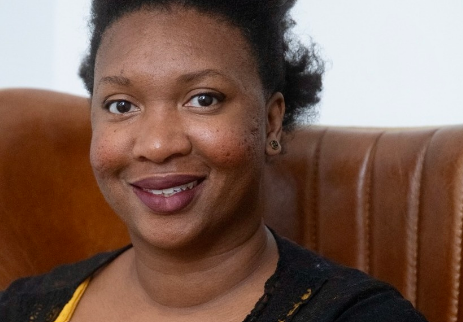
Candice Frederick, CCC, RP (Q)
Candice brings a deeply relational and body-aware approach to therapy, with a strong foundation in trauma work, attachment dynamics, and nervous system regulation. Her background spans over 15 years across social services, community mental health, and organizational consulting, giving her a broad understanding of both personal and systemic stress.
In session, Candice often works in a way that helps clients slow down and reconnect with their internal experience—not just what they’re thinking, but what they’re feeling in their body and emotional responses.
Her work is especially helpful for clients navigating:
- Trauma and emotional overwhelm
- Relationship patterns rooted in early attachment experiences
- Chronic stress or burnout
- Money-related stress and intergenerational patterns
She also works with couples, focusing on communication breakdowns, emotional reconnection, and repair after conflict.
Clients often describe her space as grounding—somewhere they can finally pause and actually notice what they’ve been carrying instead of pushing through it.

Greta Dervishaj, MA, RP
Greta’s approach is structured yet deeply compassionate, combining CBT, EFT, Positive Psychology, and Gottman-informed relationship work. Her style tends to balance emotional exploration with practical tools, making her work especially helpful for clients who want both insight and direction.
She supports individuals and couples navigating:
- Anxiety, depression, and chronic stress
- Relationship conflict and communication challenges
- Life transitions and identity shifts
- Self-esteem and self-worth struggles
What stands out in her approach is her ability to help clients connect emotional patterns with real-life behaviours—so therapy doesn’t just stay conceptual, but becomes something actionable in daily life.
Clients often appreciate her collaborative style, where they feel both supported and gently challenged to grow.

Julia Sibian, MA, RP (Q)
Julia offers a warm, grounded, and non-judgmental therapeutic space, with a strong focus on anxiety, OCD, BPD-related emotional patterns, and relationship concerns. Her integrative approach draws from CBT, DBT, ACT, solution-focused work, and the Gottman Method, allowing her to tailor sessions based on what each client needs in the moment.
Her work is particularly supportive for clients experiencing:
- Intense emotional responses or emotional dysregulation
- Anxiety in relationships or social settings
- Intrusive thoughts or obsessive thinking patterns
- Relationship instability or intimacy challenges
Julia’s approach is structured enough to provide tools, but flexible enough to explore deeper emotional experiences. Clients often describe her as steady, validating, and easy to open up to—especially when things feel overwhelming or hard to put into words.
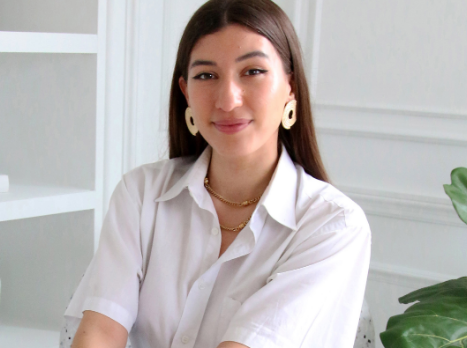
Julieta Melano Zittermann, MA, RP (Q)
Julieta takes an integrative, strengths-based approach that blends CBT, Narrative Therapy, Mindfulness, Attachment-focused work, and Internal Family Systems. Her work often focuses on helping clients understand not just what they’re struggling with, but the deeper story behind it.
She supports individuals navigating:
- Trauma and attachment wounds
- Anxiety and depression
- Life transitions and identity exploration
- Career stress and burnout
- Relationship challenges and emotional patterns
A key part of her approach is helping clients develop resilience and self-understanding—not just in the therapy room, but in their everyday lives. Sessions often focus on building emotional awareness, understanding internal patterns, and developing tools that feel realistic outside of therapy.
Clients often experience her space as supportive, structured, and deeply reflective.
Therapy Is About Fit, Not Perfection
The truth is, most people don’t choose the “perfect” therapist on the first try—and honestly, that idea of a perfect therapist is kind of a myth anyway.
What people usually end up choosing is someone who feels right enough in the moment to start.
That might mean:
- They don’t feel intimidating or overly clinical
- They explain things in a way that actually makes sense to you
- They feel steady enough that you can imagine being honest with them
- Something about their tone, presence, or approach just feels easier to sit with
And that “enough” matters more than people realize.
Because therapy isn’t about finding someone who checks every theoretical box—it’s about finding someone you can actually talk to when things feel messy, confusing, or emotional. Someone you don’t feel like you have to perform for or edit yourself around.
Real change usually doesn’t come from the most impressive profile. It comes from a space where you feel:
- Safe enough to be honest
- Comfortable enough to slow down
- Human enough to not have to have everything figured out
Yorkville has no shortage of highly trained therapists—but the most important factor will always be whether you feel understood in the room you’re sitting in, not just impressed by what you read online.
And sometimes that clarity doesn’t happen instantly. Sometimes it’s something you only start to recognize once you’ve actually had a conversation.
Three External Reccomended Therapists in Yorkville (2026 Guide)
Yorkville continues to be one of Toronto’s most established neighbourhoods for psychotherapy and mental health care, offering access to clinicians with diverse specializations ranging from trauma and identity work to career stress, emotional regulation, and creative therapeutic approaches.
Below is a curated selection of five individual therapists practicing in the Yorkville area, each bringing a distinct therapeutic lens and area of expertise.
1. Isabella Fermin, RP (Qualifying), MACP – Psychotherapist (Yorkville, Toronto)
Isabella Fermin works from a deeply trauma-informed and relational lens, supporting individuals who have experienced complex trauma, including childhood trauma, sexual abuse, and dissociative experiences such as DID. Her approach is grounded in the belief that survival adaptations are not signs of brokenness, but responses to overwhelming life experiences.
Her therapeutic work focuses on helping clients understand and gently untangle the ways trauma has shaped their emotional world, identity, and relationships. She emphasizes safety, containment, and pacing, allowing clients to engage with difficult material without becoming overwhelmed.
Isabella creates a space where all emotional parts are welcomed—even the ones clients have learned to hide or reject. Her work often supports individuals in rebuilding a sense of internal stability, self-compassion, and emotional integration, with the goal of helping clients move toward a life that feels safer, more connected, and more aligned with their needs.
2. Maya Peretz Waitzer, RP (Qualifying), MEd – Psychotherapist (Yorkville, Toronto)
Maya Peretz Waitzer offers psychotherapy for individuals and couples with a focus on identity, emotional awareness, relational dynamics, and trauma recovery. Her approach is grounded in mindfulness and relational presence, supporting clients in developing a more compassionate and accepting relationship with themselves.
She often works with individuals who feel emotionally disconnected, overwhelmed by internal conflict, or uncertain about their identity and relationships. Her therapeutic style encourages clients to slow down and develop curiosity toward their emotional experiences rather than avoiding or judging them.
Maya also offers affirming support for trans and 2SLGBTQIA+ clients, with an emphasis on creating a safe, inclusive, and respectful therapeutic environment. Her work focuses on emotional integration, relational healing, and building resilience through self-understanding and presence.
3. Mafalda Silva, RP, RCAT – Registered Psychotherapist & Art Therapist (Yorkville, Toronto)
Mafalda Silva is a registered psychotherapist and certified art therapist who integrates creative expression into traditional psychotherapy. Her approach allows clients to explore emotions, thoughts, and internal experiences through both verbal processing and art-based methods.
She works with children, adolescents, and adults experiencing emotional challenges such as anxiety, trauma, stress, and relational difficulties. A core aspect of her practice is helping clients express what may feel difficult to articulate through words alone, using creative processes as a therapeutic tool for insight and emotional release.
Mafalda emphasizes that no artistic skill or experience is required to benefit from art therapy. Her work is flexible and client-centered, often incorporating mindfulness and other therapeutic modalities to support emotional regulation, self-expression, and healing at a comfortable pace.
Thinking About Starting Therapy? 💬
If you’re exploring therapy in Yorkville and want a space that feels supportive, collaborative, and tailored to you, KMA Therapy offers a range of therapists who integrate evidence-based care with a strong focus on emotional connection, fit, and real-world understanding of what people are going through.
We understand that starting therapy can feel like a big step—even just choosing where to begin can feel overwhelming. That’s why the first step doesn’t have to be a full commitment or a big decision. It can just be a conversation.
✨ You can book a 15-minute discovery call to ask questions, explore your options, and get a sense of what support might look like for you—no pressure, no expectations, just clarity and space to figure out what feels right.


