
8 Ways to Stay Cool and Regulated This Summer
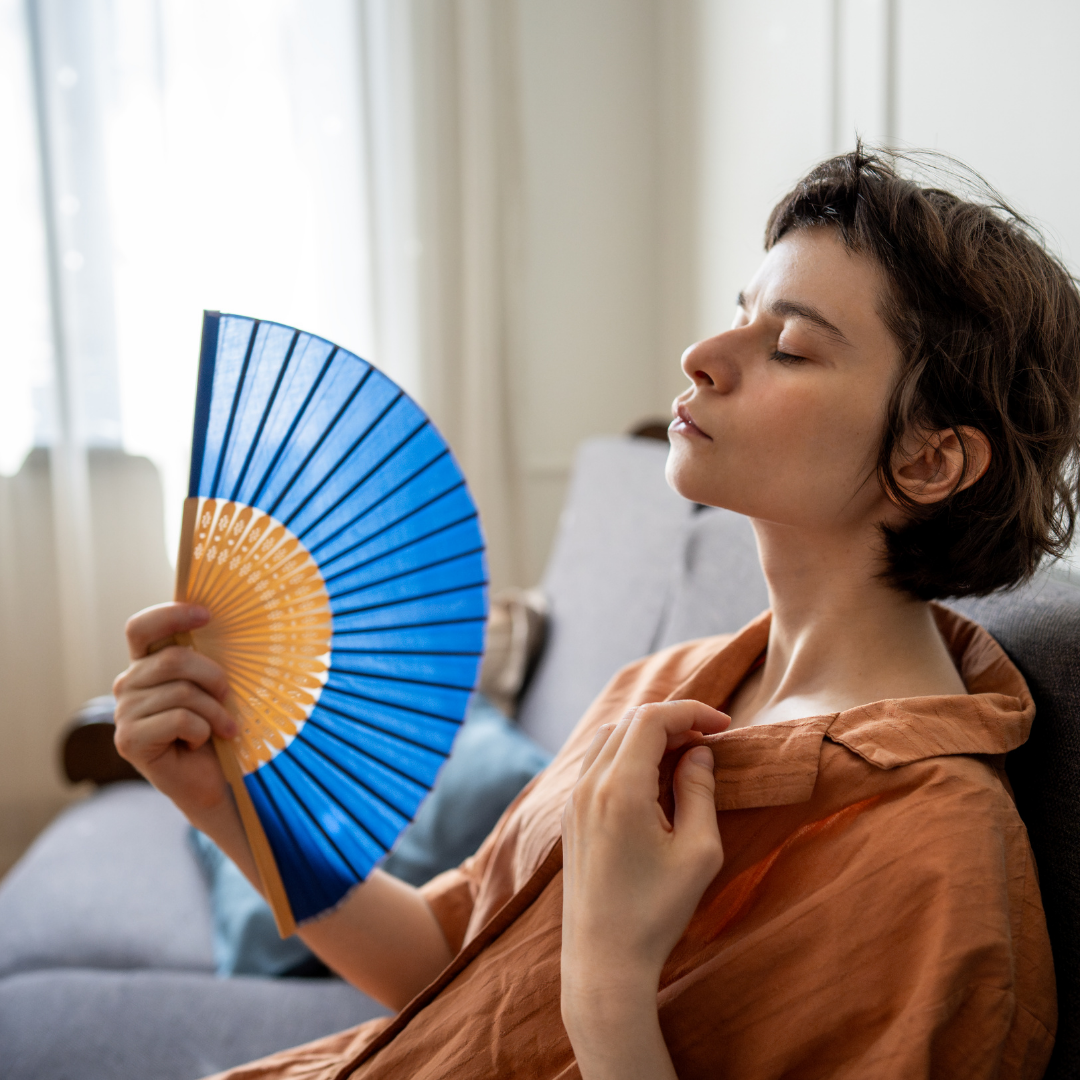
Summer is supposed to feel easy.
Light clothes, longer days, iced drinks, sunsets that look like they were filtered in real life.
But then reality shows up.
It’s 34°C, your face is slightly melting off, your motivation has left the chat, and even basic tasks feel like a personality test you didn’t study for.
You go outside and immediately regret it.
You stay inside and somehow still feel sweaty and restless.
You try to “enjoy summer” and end up wondering why everyone else seems to be thriving while you’re just trying to survive in breathable fabrics.
And then self-care enters the conversation.
Which sounds great in theory… until your brain is like: “Okay but what does that actually mean when it’s too hot to exist?”
If you’ve been feeling a bit more drained, irritable, sluggish, or emotionally fried during hot weather—you’re not imagining it. Heat affects mood, energy levels, sleep, and even emotional regulation. So if you’ve been feeling “off,” there’s a good chance your nervous system is also just trying to deal with the temperature.
So let’s talk about real-life summer self-care. Not the aesthetic version. The “I am trying my best while mildly overheating” version.
Why Summer Self-Care Feels Weirdly Hard (Even When Life Is “Supposed” to Be Easier)
There’s a bit of a quiet expectation that summer should automatically feel better. Like once the weather warms up, your nervous system is supposed to magically relax, your motivation returns, and you suddenly become someone who drinks smoothies on patios and goes on sunrise walks without effort.
But for a lot of people, that’s not what happens.
Instead, summer can actually feel more intense:
- your routine changes
- your sleep gets disrupted
- your body is physically warmer more often
- social expectations increase
- and there’s pressure to be “making the most of it”
So instead of feeling lighter, you might feel overstimulated, tired, or strangely out of sync.
And then self-care starts to feel confusing—because you’re trying to “enjoy the season,” but your internal experience doesn’t match the vibe everyone else seems to be projecting.
This mismatch can create guilt too. Like you’re doing summer wrong somehow.
But there’s no “right” way to experience a season.
Sometimes your nervous system doesn’t become more relaxed in summer—it just becomes more exposed. You notice your energy more clearly. You notice your limits more clearly. You notice what drains you faster.
And that awareness isn’t failure. It’s information.

What Self-Care Actually Means When It’s This Hot
Self-care gets talked about like it’s bubble baths, skincare routines, or perfectly balanced mornings. And sure, those things can be part of it—but in extreme heat, self-care becomes much more basic and much more functional.
It becomes less about “treating yourself” and more about “supporting your system so you can actually function.”
That can look like:
- reducing stimulation instead of adding more activities
- choosing comfort over productivity
- noticing when your body is overwhelmed before you hit burnout
- allowing rest without turning it into a debate
It’s not always pretty. It’s not always aesthetic. Sometimes it’s just sitting very still in front of a fan questioning all your life choices while holding a cold drink.
But that still counts.
Because real self-care is less about how it looks and more about whether it actually helps your nervous system settle, even a little.
And in summer heat, “a little better” is often a win.
1. Lower Your Expectations (Yes, Even the Ones You Didn’t Realize You Had)
One of the biggest summer mistakes is assuming you’re going to operate at full capacity just because the sun is out.
You might think:
- “I should be more productive because days are longer”
- “I should be outside enjoying the weather”
- “I should be socializing more”
- “I should be doing something memorable every weekend”
That’s a lot of pressure for a body that is basically trying to regulate internal temperature like a laptop running too many tabs.
Self-care in the heat often starts with adjusting expectations. Not lowering your standards as a person—but adjusting what “a good day” actually looks like when you’re hot, tired, and slightly overstimulated.
A successful summer day might simply be:
- staying hydrated
- doing one or two important tasks
- wearing clothes that don’t make you question your life choices
- not having a meltdown over minor inconveniences
That counts.
2. Hydration, But Make It a Personality Trait
Yes, you’ve heard it before. Drink water. But in summer heat, hydration isn’t just advice—it’s emotional support.
Dehydration doesn’t always feel dramatic. It can look like:
- irritability that comes out of nowhere
- headaches that make everything annoying
- fatigue that feels like your personality is buffering
- low patience for absolutely everything
A lot of people think they’re tired, unmotivated, or emotionally off… and they’re just mildly dehydrated and too stubborn to admit it.
Make it easier for yourself:
- keep water visible (out of sight = out of mind = dehydration arc begins)
- add ice like you’re running a luxury spa for yourself
- use a bottle you actually like using
- pair drinking water with something you already do (like checking your phone—let’s be honest)
Hydration isn’t glamorous, but neither is overheating at 3 p.m. and suddenly questioning all your life decisions.
3. Dress Like You Respect Your Nervous System
There’s something deeply humbling about realizing clothing can change your entire emotional state.
In summer heat, your outfit isn’t just fashion—it’s survival.
Scratchy fabrics, tight waistbands, and “cute but suffocating” outfits can quietly drain your energy all day.
Self-care here looks like:
- choosing breathable fabrics (your body will thank you immediately)
- prioritizing comfort over aesthetics when needed
- accepting that “cute” and “functional” don’t always overlap in July
- changing outfits if something suddenly feels unbearable
There is no award for suffering in jeans in 30-degree weather.

4. Give Yourself Permission to Move Slower
Heat affects your nervous system. Your body literally has to work harder to regulate itself.
So if you feel slower, foggier, or less productive—you’re not broken. You’re just hot.
Instead of fighting it, try working with it:
- do mentally demanding tasks earlier or later in the day
- allow yourself more breaks
- reduce multitasking when you feel overstimulated
- take longer transitions between tasks instead of rushing
Summer self-care is sometimes just accepting that your brain is on “warm weather mode,” not “high-performance corporate mode.”
5. Create Small “Cooling Rituals” That Actually Feel Good
This doesn’t need to be aesthetic. It just needs to work.
Cooling yourself down isn’t indulgent—it’s regulation.
Some simple ideas:
- cold showers or rinsing your wrists with cold water
- placing a damp cloth on your neck
- sitting in front of a fan like it’s your full-time job
- cold drinks with crushed ice (the crunch is emotionally healing, honestly)
- briefly stepping into air-conditioned spaces just to reset
Think of it as giving your nervous system a “reset button” when everything feels too warm and overstimulating.
6. Protect Your Energy From Over-Scheduling
Summer has this sneaky way of making everything feel like an opportunity.
You say yes to:
- brunch
- patio plans
- outings
- quick “we should catch up!” hangouts
- spontaneous plans that sounded fun at 11 a.m. but feel illegal at 7 p.m.
And suddenly your week is more packed than it was in winter.
Self-care sometimes looks like:
- checking your actual capacity before saying yes
- giving yourself permission to cancel or reschedule
- building in empty time (yes, blank space is productive for your nervous system)
- not treating every sunny day like a limited-time offer
You are not required to maximize every hour of summer.
7. Protect Your Sleep Like It’s a Full-Time Relationship
Hot weather sleep is its own category of struggle.
You go to bed tired, wake up sweaty, toss and turn, and suddenly it’s 3 a.m. and you’re negotiating your existence.
A few supportive adjustments:
- cool your room before bed if possible
- avoid heavy meals right before sleeping
- use lighter bedding
- take screens down earlier if your brain is overstimulated
- prioritize wind-down time instead of jumping straight from activity to sleep
Sleep is where your body actually recovers from the heat stress. Without it, everything feels louder the next day.
8. Stop Comparing Your Summer to Everyone Else’s
This is a big one.
Summer social media can make it look like everyone is:
- constantly outside
- always glowing
- always travelling
- always having the “perfect balance” life
Meanwhile, you might be:
- tired
- overstimulated
- working
- needing more rest than adventure
And that’s okay.
Self-care includes reality-checking comparison thoughts like:
- “I don’t need to match anyone else’s summer to have a good one”
- “My season can look different and still be valid”
- “Resting is not falling behind”
Your summer doesn’t need to be loud to be meaningful.

Summer Self-Care Isn’t About Doing More—It’s About Feeling Okay in Your Body
At its core, summer self-care is less about routines and more about responsiveness.
It’s noticing:
- what your body needs in heat
- what your mind can realistically handle
- what drains you faster than usual
- what actually helps you feel regulated again
Some days that looks like being social and active.
Other days it looks like doing absolutely nothing in a cool room with zero guilt.
Both count.
You’re Allowed to Take Care of Yourself Even When It’s Not “Productive”
If summer has been feeling a bit overwhelming, overstimulating, or weirdly draining, you’re not alone in that experience. Heat changes how we function more than we often realize.
So instead of trying to push through it or “make the most” of every day, it might be more helpful to ask:
What would actually make today feel a little easier on me?
Not perfect. Not optimized. Just easier.
And sometimes that’s the most meaningful kind of self-care there is.
If summer has been feeling more draining than expected—mentally, emotionally, or physically—you’re not alone in that experience. A lot of people notice changes in mood, patience, energy, and stress levels during hotter months without realizing how much their environment is impacting them.
At KMA Therapy, we support individuals navigating burnout, anxiety, emotional overwhelm, stress, and difficulties with regulation and balance. Therapy can help you better understand your patterns, build tools that actually fit your life, and create more space for rest without guilt.
Because self-care isn’t about doing everything perfectly.
It’s about learning how to take care of yourself in ways that actually work for you—season by season, moment by moment.
✨ If this resonates, you can book a 15-minute discovery call today and start building a more supported, grounded version of your day-to-day life.


