
Chronic Anticipation: Living in the “Next Crisis” Brain
When your mind is always bracing for impact — even when nothing is wrong
There’s a particular kind of exhaustion that comes from feeling like something bad is always about to happen.
Not because it is happening.
Not because you have evidence.
But because your body is already preparing for it.
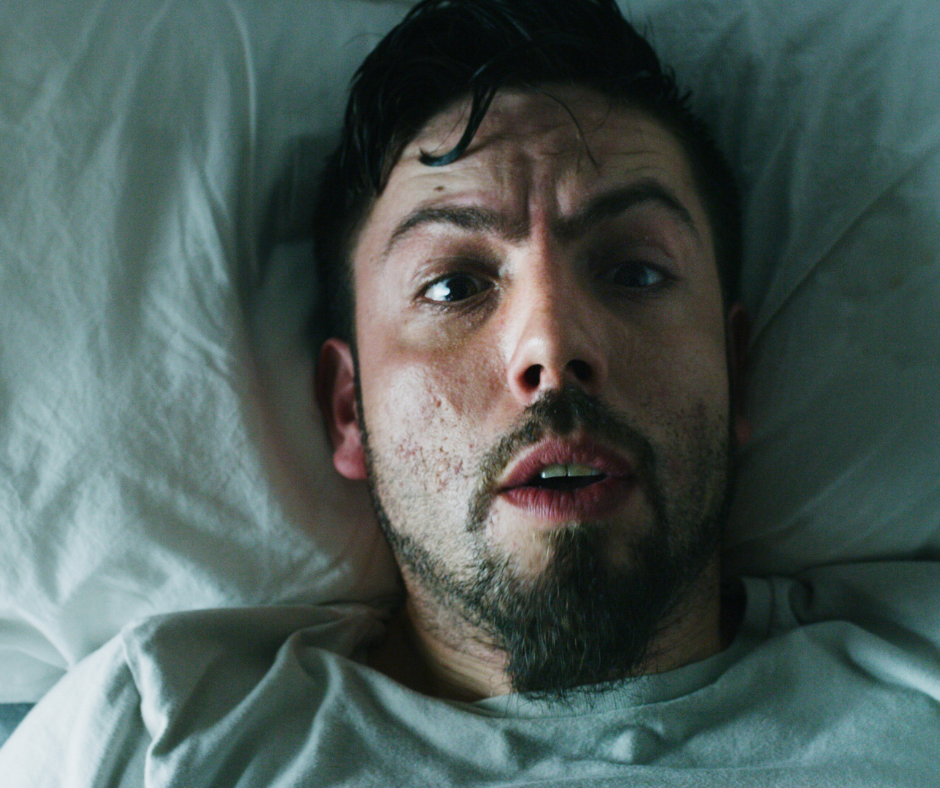
You wake up with a sense of urgency before your eyes even open. You replay conversations, scan emails for tone, imagine worst-case scenarios before plans even begin. Even good moments feel fragile — like you can’t fully enjoy them because you’re already anticipating the part where it falls apart.
his is what it’s like to live in the “next crisis” brain.
And if this feels familiar, you’re not broken. You’re regulated for survival — not safety.
What “Chronic Anticipation” Actually Is (And What It’s Not)
Chronic anticipation isn’t anxiety in the stereotypical sense. It’s not always panic attacks or racing thoughts. Sometimes it’s quiet. Subtle. Constant.
It looks like:
- Mentally rehearsing problems that haven’t happened
- Feeling uneasy during calm moments
- Always having a “backup plan” for emotional disaster
- Interpreting neutrality as danger (“If they’re quiet, something’s wrong”)
- Feeling relief after a crisis, not during peace
This isn’t because you’re pessimistic or dramatic.
It’s because your nervous system learned that danger tends to arrive suddenly — and being prepared is safer than being surprised.

The Brain Behind the Pattern: Amygdala Hijack Explained Gently
At the center of chronic anticipation is the amygdala — the brain’s threat detection system.
The amygdala’s job is simple:
“Is this safe or not?”
When your nervous system has experienced:
- Repeated emotional unpredictability
- Chronic stress or instability
- Past crises with little warning
- Caregiving roles at a young age
- Environments where “calm” didn’t last
…the amygdala becomes hyper-responsive.
This leads to what’s often called an amygdala hijack, where:
- The brain flags neutral situations as threats
- The body activates before logic can intervene
- Your system chooses anticipation over rest
Importantly:
This happens faster than conscious thought.
You don’t decide to worry.
our body decides for you.

Why Your Brain Prefers the Next Crisis Over the Present Moment
Here’s the paradox most people don’t talk about:
Your nervous system may feel safer during stress than during calm.
Why?
Because:
- Stress is familiar
- Calm feels unpredictable
- Anticipation creates an illusion of control
If your system learned that danger comes after quiet moments, then calm becomes suspicious.
Your brain thinks:
“If I relax, I’ll miss something.”
So it stays alert — not because it wants to suffer, but because it’s trying to protect you.
Nervous System Fatigue: The Cost of Always Being Ready
Living in chronic anticipation is exhausting because the body was never meant to stay activated long-term.
Over time, this leads to:
- Emotional numbness or burnout
- Trouble sleeping despite exhaustion
- Irritability without a clear cause
- Difficulty feeling joy or excitement
- Feeling “wired but tired”
This isn’t weakness.
It’s nervous system fatigue.
Your body is constantly:
- Scanning
- Preparing
- Predicting
- Bracing
And eventually, it runs out of energy.

Signs You’re Living in the “Next Crisis” Brain
This might be you if:
- You feel relief after problems arise because now you know what you’re dealing with
- You struggle to enjoy good news without waiting for the downside
- You imagine how things could go wrong before they begin
- You feel uneasy when life is stable
- You confuse peace with vulnerability
- You’re praised for being “prepared” but feel chronically tense inside
None of this means you’re broken.
It means your system learned that anticipation equals safety.

Why “Just Think Positive” Doesn’t Work Here
Chronic anticipation isn’t a mindset problem.
It’s a body-based pattern.
That’s why:
- Reassurance fades quickly
- Logic doesn’t stick
- Affirmations feel hollow
- You know things are okay but don’t feel it
You can’t talk a nervous system out of a pattern it learned through experience.
You have to teach it safety slowly, consistently, and creatively.
Creative Regulation Exercises for the “Next Crisis” Brain
These aren’t about forcing calm — they’re about introducing safety in ways your body can tolerate.

1. Name the Anticipation Without Shaming It
When your mind starts scanning for the next problem, resist the urge to argue with it.
Instead, narrate it:
- “My brain is anticipating danger right now.”
- “This is my protection system turning on.”
This language creates distance without rejection. You’re not telling your brain it’s wrong — you’re telling it you see it. That alone reduces internal panic and stops the spiral of “something is wrong with me for feeling this way.”
2. Orient to What Is Actually Happening Right Now
Anticipation pulls you into the future. Orientation brings you back into the present.
Try:
- Naming five objects you can see
- Feeling your feet press into the floor
- Noticing the temperature of the room
Orientation updates your nervous system with real-time data:
“Right now, nothing is attacking me.”
This is one of the fastest ways to interrupt amygdala dominance.
3. Delay the Mental Rehearsal
Your brain wants to solve imaginary problems immediately.
Instead of stopping the thought, postpone it
- “I’ll think about this tomorrow.”
- “This doesn’t need an answer right now.”
You’re teaching your nervous system that urgency is not the same as importance.

4. Create a “Safe Enough” Phrase
For many people, “I’m safe” feels untrue. So aim lower.
Use phrases like:
- “This is uncomfortable, not dangerous.”
- “I can handle uncertainty.”
- “Nothing needs fixing in this moment.”
These statements are tolerable for a hypervigilant system and help reduce internal resistance.
5. Build Predictable, Boring Rituals on Purpose
Your nervous system heals through repetition without consequence.
Examples:
- Making the same morning drink
- Walking the same route
- Watching familiar shows
Boredom is underrated — it tells your brain:
“Nothing bad happens when nothing happens.”
6. Let Your Body Complete the Stress Cycle
Anticipation traps energy in the body.
Release it through:
- Gentle shaking
- Stretching
- Slow walking
- Long exhalations or sighs
This discharges survival energy that never got to resolve.

7. Practice Neutral Awareness (Not Positivity)
Instead of trying to feel good, aim to feel neutral.
Notice moments where:
- Nothing is wrong
- Nothing is urgent
- Nothing is happening
Say quietly:
- “This moment is okay.”
Neutral safety is often more regulating than forced joy.
8. Reduce Over-Monitoring of People
Chronic anticipation often shows up in relationships.
Practice:
- Not rereading messages
- Allowing pauses in conversation
- Resisting the urge to check tone or subtext
Each time you don’t monitor, you teach your nervous system that connection doesn’t require constant vigilance.

9. Limit Information Intake During Vulnerable Times
Your nervous system cannot differentiate between real danger and imagined danger.
Consider:
- Avoiding news before bed
- Reducing social media when tired
- Not problem-solving late at night
Less input = less fuel for the anticipation loop.
10. Externalize the Fear Onto Paper
Anticipatory thoughts feel louder when they stay inside.
Try:
- Writing the fear down
- Listing what your brain predicts
- Separating “possibility” from “probability”
Seeing it on paper often reveals how exaggerated or repetitive the threat narrative is.
11. Practice “Nothing Bad Happened” Reflection
At the end of the day, gently reflect:
- “What didn’t go wrong today?”
- “What did I anticipate that never happened?”
This builds corrective experiences for your nervous system.

12. Engage in Low-Risk Novelty
Your system needs new experiences that don’t end in danger.
Examples:
- Trying a new café
- Rearranging a room
- Listening to unfamiliar music
This teaches your brain that novelty doesn’t automatically equal threat.
13. Slow the Body Before the Mind
Trying to think your way out of anticipation often fails.
Instead:
- Slow your breathing
- Relax your jaw
- Drop your shoulders
The body must feel safer before the mind follows.
14. Validate the Origin of the Pattern
Tell yourself:
- “This made sense once.”
- “This protected me before.”
Respecting the origin of hypervigilance reduces internal conflict and shame, which actually worsen anticipation.

15. Seek Nervous-System–Informed Support
Chronic anticipation often has roots in trauma, attachment wounds, or prolonged stress.
Therapy can help you:
- Regulate the nervous system
- Reduce amygdala reactivity
- Rebuild a sense of internal safety
Modalities that often help:
- Somatic therapy
- EMDR
- Trauma-informed CBT
- Attachment-focused therapy
Healing Isn’t About Eliminating Anticipation
The goal isn’t to never anticipate problems again.
It’s to:
- Reduce how often your system activates
- Shorten how long it stays activated
- Expand your capacity for calm without fear
Healing looks like:
- Catching anticipation earlier
- Responding with curiosity instead of panic
- Letting peace exist without interrogation
A Final Reframe: Your Brain Isn’t Broken — It’s Loyal
Your “next crisis” brain developed to keep you safe.
It learned:
- To stay alert
- To stay prepared
- To stay ahead
Now, it just needs to learn something new:
Safety doesn’t always require anticipation.
And that lesson doesn’t come through force — it comes through gentle repetition, embodied safety, and compassion for the system that kept you alive.
If you’ve been living in the next crisis for a long time, it makes sense that rest feels unfamiliar.
You’re not failing at peace.
You’re learning it — slowly, safely, and on your own terms.
At KMA Therapy
Living in chronic anticipation is exhausting. When your nervous system is always bracing for what’s next, rest can feel unsafe, joy can feel fragile, and calm can feel unfamiliar. Over time, this isn’t just mentally draining — it reshapes how you relate to your body, your relationships, and yourself.
At KMA Therapy, we understand that patterns like hypervigilance and “next crisis” thinking don’t come from nowhere. They are learned survival responses shaped by past stress, trauma, attachment experiences, and long periods of being responsible, alert, or emotionally on call. Our work isn’t about forcing you to “think positively” or pushing you to relax before your system is ready. It’s about helping your nervous system feel safe enough to stand down.
Our therapists specialize in nervous-system–informed care, trauma and attachment work, emotional regulation, and rebuilding a sense of internal safety. Together, we help you slow the body, soften the mind, and create space for a life that isn’t organized around anticipation and fear.
If you recognize yourself in this pattern and are ready to explore what it might feel like to live with more ease, support is available. You don’t have to navigate this alone.
💬 Book a free 15-minute discovery call with KMA Therapy to begin reconnecting with safety, presence, and a nervous system that no longer has to live in survival mode.


